

2026 European Heritage Days
As part of the European Heritage Days from 18 to 20 September, we celebrated railway heritage across 200 events organized all over France.
200 exceptional sites across France
For the 43rd edition of the European Heritage Days, we embraced two powerful themes this year: Europe's "Heritage in Peril: Revive, Resist, Reimagine" and France's "Photographic Heritage", marking the bicentennial of photography.
From 18 to 20 September, visitors were able to step inside their train station's control centre, explore the signal box that keeps their daily journeys running, try their hand at driving the train that takes them home, or travel aboard a vintage train restored by rail enthusiasts.
Over 200 events were planned to share two centuries of rail travel, networks, and encounters with the public.

200
events across France

53,000
places available

16
maintenance centres open to visitors
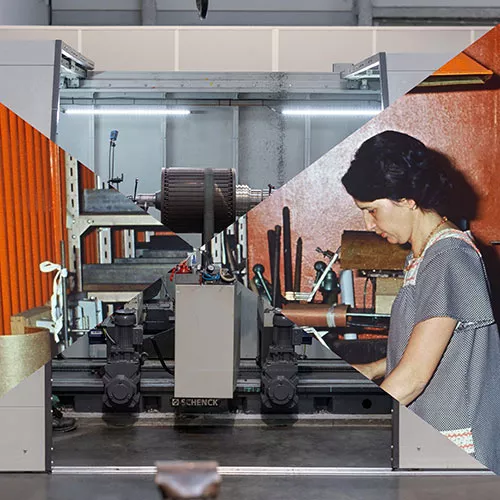
180 years of history at the Vénissieux maintenance centre in Auvergne-Rhône-Alpes
This maintenance centre has played a part in French rail history since 1846. It serviced the first steam locomotives, modified the prototype that paved the way for the TGV, and trained generations of rail workers. This year, we paid tribute to the men and women who worked for us.
They include those who worked at Ouillins in La Mulatière, just outside of Lyon, once one of the city’s largest rail sites. In 2019, part of the facility’s operations were transferred to nearby Vénissieux. Today, a team of nearly 380 people repairs the electric motors and converters that power trains from one end of France to the other.
Visitors could thus explore 180 years of history—including archives on public display for the first time—and discover how SNCF workers keep our trains rolling every day.
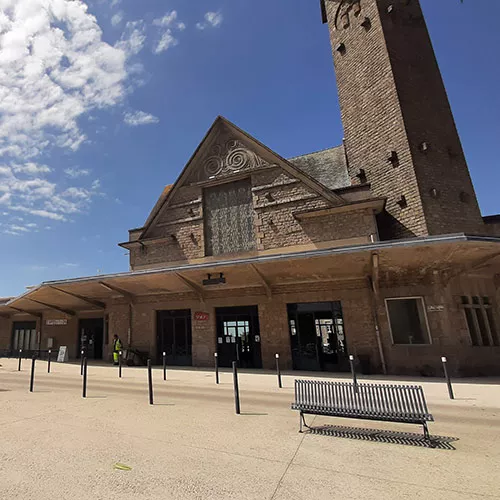
Spotlight on Dinan station in Brittany
The passenger hall at Dinan station hosted a historical exhibit immersing visitors in local rail history, with a special focus on the first lines to serve the former Côtes-du-Nord region, now known as Côtes-d'Armor. A selection of period documents and photographs took visitors back in time, offering a glimpse of everyday life and showing how the celebrated metre-gauge “petit trains” helped open up the area and support the growth of its coastal communities. The exhibit paid special attention to the historic lines linking Plancoët and Le Guildo, the later extension to Matignon and Saint-Cast, and the branch line linking Le Guildo and Saint-Briac.
In a nod to the early days of seaside tourism on the Emerald Coast, a separate section highlighted the iconic Dinard-Saint-Briac tramway. Free and open to all in the station’s passenger hall, this unique retrospective brought to life a period that left a lasting mark on the region’s landscape and identity. It appealed to passing travellers and railway-history buffs alike.
Visit the Saulon-la-Chapelle Industrial Track Establishment in Bourgogne-Franche-Comté
A guided tour took visitors behind the scenes at this historic industrial site, a vital hub for France’s rail network. The immersive visit pulled back the curtain on the specialist expertise required to produce 432-metre long continuous welded rails and manufacture components crucial to catenary assemblies. Participants discovered how we design and build this strategic equipment, but also how it is installed and used nationwide. The tour offered a rare chance to gain a deeper understanding of our industrial logistics and how we supply vital components to busy maintenance centres and network modernization projects across France.
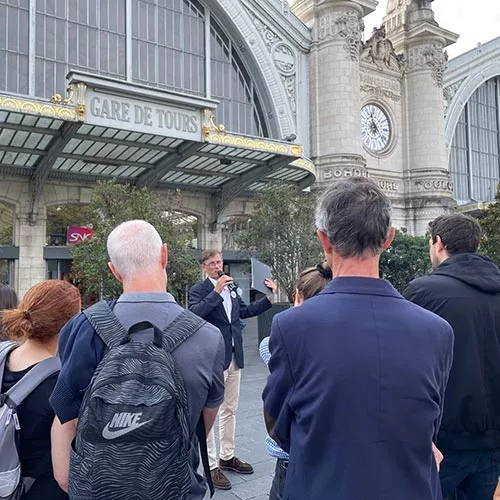
A scavenger hunt at Tours station in Centre-Val de Loire
Visitors were able to discover the magnificent Tours station, an architectural masterpiece and listed historic monument. To learn more about the history and hidden secrets of this landmark, they were invited to join a guided tour led by Bertrand Ahier, an architect with SNCF Gares & Connexions. They could then explore the station from top to bottom in a lively, one-of-a-kind scavenger hunt. Pairing the expertise of an expert architect with the fun of solving clues alongside family and friends, the event offered an original way to appreciate this exceptional example of rail heritage.
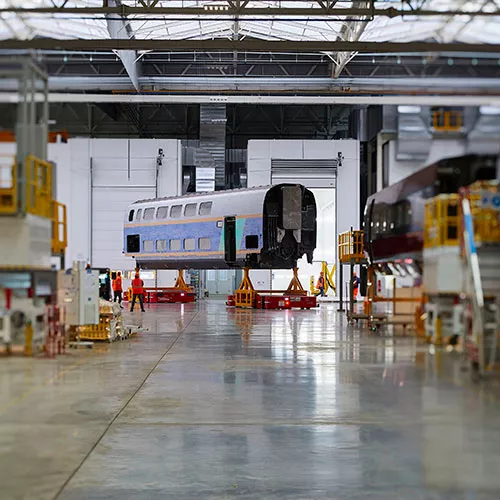
An insider’s view of the Hellemmes maintenance centre
The Hellemmes industrial maintenance centre opened its doors to the public for a rare glimpse inside its vast workshops, where rolling stock has been refurbished and given a new lease of life for over 150 years. At this remarkable site, advanced technology sits alongside a rich industrial heritage, making the visit particularly rewarding for innovation enthusiasts and history buffs alike. Designed to appeal to visitors of all ages, the tour offered a fascinating behind-the-scenes look at the rail industry and the expertise passed down from generation to generation.
Mission: Impossible lands at Paris-Est station in Île-de-France
To mark the 30th anniversary of the first film in the blockbuster Mission: Impossible franchise, SNCF’s Cinéma & Tournages unit held two open-air screenings on the forecourt of Paris-Est station. Each had seating for 180 people. On Friday 18 September, the film was shown in English with subtitles, followed by an exclusive presentation for film enthusiasts. Then, on Saturday 19 September, the general public was treated to a French-dubbed version. This Hollywood hit is a striking example of the long-standing relationship between trains and cinema. Featuring dramatic scenes aboard a TGV, the film showcased French rail expertise for 41 million viewers worldwide when it was released in 1996. This year’s screenings were the perfect opportunity to share a thrilling cinematic moment in the heart of one of SNCF’s most historic locations.
A journey through railway workers’ archives in Occitanie
Founded over 20 years ago and based in Béziers, SNCF’s National Personnel Archives covers all of France. The centre holds the personnel files of nearly 3.5 million rail workers employed by SNCF and the companies that preceded it. These records are consulted by researchers, genealogists and anyone interested in preserving the memory of all those who worked on the railways.
For the European Heritage Days, the archives team released a card game using period identity photographs to introduce the public to its rich collection. Originally used to document employees’ careers, the files now offer vivid insights into individual lives and the men and women who kept the railways running. Drawing on this material, the team has devised a surprising and entertaining version of the card game War, rich in historical detail. The workshop was followed by an exclusive tour of the archives, which are normally closed to the public.
Visitors discovered the sheer scale of the collection and the wide variety of materials it contains. To end the day, the centre’s team demonstrated how to search for information about a family member who worked on the railways, and helped visitors begin their own genealogical or family-history search.
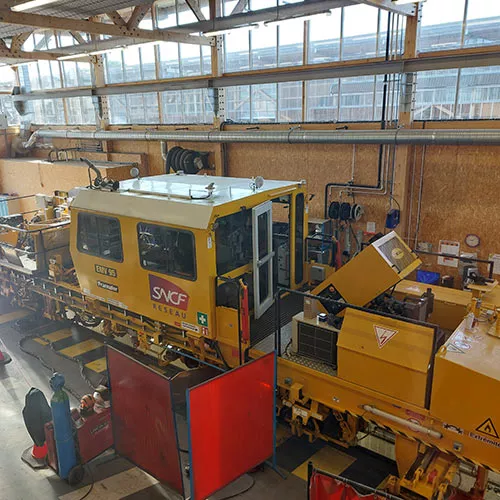
An in-depth visit to a maintenance centre in Pays de la Loire
SNCF Réseau’s Infrastructure Equipment Maintenance Centre (C2MI) opened its doors for an exclusive two-hour guided tour, giving visitors an inside view of track maintenance. Throughout the visit, employees introduced the machines and tools used across the rail network and shared insights into their day-to-day work. Participants also had the rare opportunity try a train-driving simulator. A range of other activities brought the world of railways to life, including a virtual-reality experience highlighting potential hazards, an introduction to level crossings, a presentation of jobs available at the centre, and a talk on the site’s history. A dedicated activity area was also available for children.
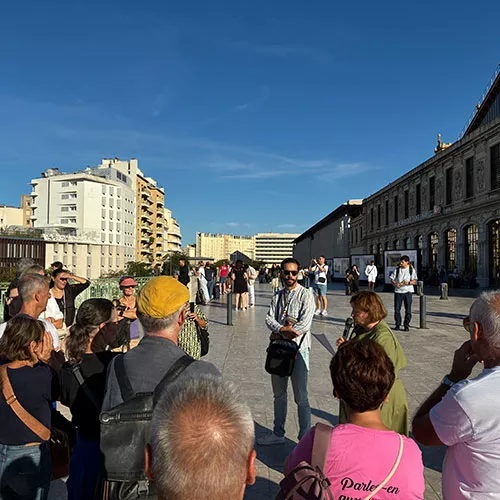
See Marseille Saint-Charles station in a new light
Visitors were able to rediscover the celebrated Marseille Saint-Charles station through an architect’s eyes, from its historical buildings and the changes made to accommodate the city’s growth and rising rail traffic to the role it has played in shaping the surrounding neighbourhood.
The tour was led by Armelle Fabry, an architect with SNCF Gares et Connexions who helped design the station’s latest modernization and expansion project. She shared insights into the building’s architecture, told the story of its construction, and explained how it has evolved over the years. She also discussed the challenges her team faced in transforming Saint-Charles into a showcase for innovation and a successful example of both architecture and urban planning.
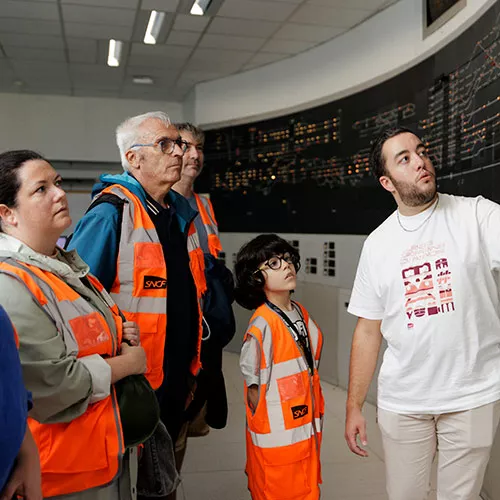
Step behind the scenes of TER regional trains in Grand Est
The Champagne-Ardenne Lines Division invited visitors to step into the world of TER regional trains at Charleville-Mézières station. This special behind-the-scenes tour offered a rare look inside a train driver’s cab and explained how signal boxes route trains onto the correct tracks and monitor their movements across the network. Visitors gained a better understanding of the work involved in keeping trains running, but also the expertise railway employees bring to the job to ensure that regional trains operate safely and on time.
Go behind the scenes at Limoges station in Nouvelle-Aquitaine
Visitors stepped inside the Limoges station’s modern control centre for a fascinating behind-the-scenes look at rail operations. Staff explained how train routes are carefully planned and how daily traffic is managed safely and efficiently. The tour offered a rare glimpse of the precision, coordination and expertise required to keep trains moving through this strategic rail hub.
An interactive map of outstanding heritage sites
Castles and monuments, museums and collections, fine local food and drink, country walks and more. See all the remarkable heritage sites you can reach by TER regional trains across France with our interactive map.
Share the article