


Two centuries of railway history
Our Group may be in its eighties, but the adventure of the railways began long before it was founded in 1938. Explore 200 years of rail history: from the inauguration of the first French line to the advent of our new organisation in 2020.

SNCF is founded in
1938
with a grand total of 515,000 employees
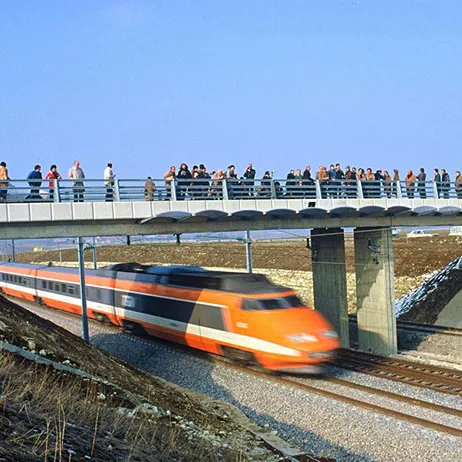
TGV sets the first world high-speed record in
1981
reaching 380 km/h

SNCF launches TER regional trains in
1987
teaming up more closely with French regions
1827: France’s first railway line is inaugurated
In 1827, France’s first railway line—a 21 km stretch—opens. Wagons transport coal from the Saint-Étienne mines to ports on the Loire River—and are horse-drawn. Travellers will have to wait until 1837 for the first passenger railway line.
1938: SNCF is established
On 1 January 1938, France’s five largest private railway companies join the State network, creating the Société nationale des chemins de fer français (SNCF), with a grand total of 515,000 employees. Back then, the French railway network had 42,700 km of track.
1942 - 1944: Our darkest years
The Armistice of 22 June 1940, places SNCF under the authority of the German army. Tragically, between 1942 and 1944, SNCF is complicit in the Holocaust, transporting 79 convoys of deportees to the German border. At the end of the war, three-quarters of the railway network lies destroyed or damaged, and 10,000 railway workers have lost their lives—almost one-quarter executed for resistance activities.
1955: The advent of electric rail
North and East rail services are electrified, operating on the new single-phase industrial frequency system (25,000 V, 50 Hz), which will be used our high-speed trains.
1981: The first high-speed line
The first stretch of the first high-speed line between Paris and Lyon, with its iconic orange TGVs, is inaugurated in 1981. It’s the first cog in what will become a vast TGV network, and is followed by high-speed lines to the Atlantic coast (1989), Lille (1993), London (1994), Brussels (1996), Marseille (2001), Strasbourg (2007), and Bordeaux and Rennes (2017).
After setting the world high-speed record in 1981, the TGV breaks it in 1991 at 515.3 km/h, and then again in 2007, when it reaches an astounding 574.8 km/h.
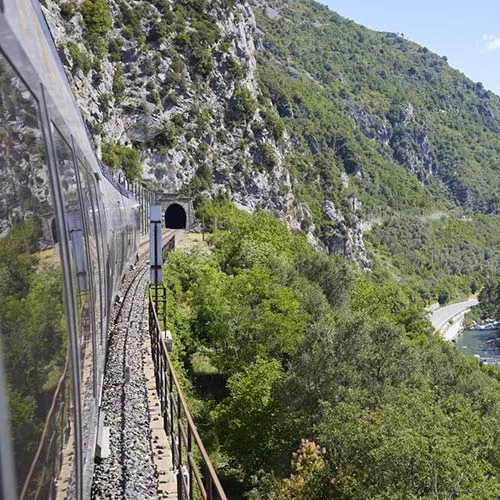
1987: TER regional express train service is born
As part of the French government’s decentralization policy, TER regional express trains are launched in 1987, improving rail services across France. French regions now each have greater autonomy. The TER service reflects greater collaboration between SNCF and France’s regions—which have become their own transport authorities.
1995: The “red vest agents” make their début
Following strikes against then-Prime Minister Alain Juppé’s retirement reform, SNCF introduces “red vest agents”, laying the foundations of its “SNCF Assistance” service. On peak travel days, these volunteers now step up to greet, inform and guide travellers in stations.
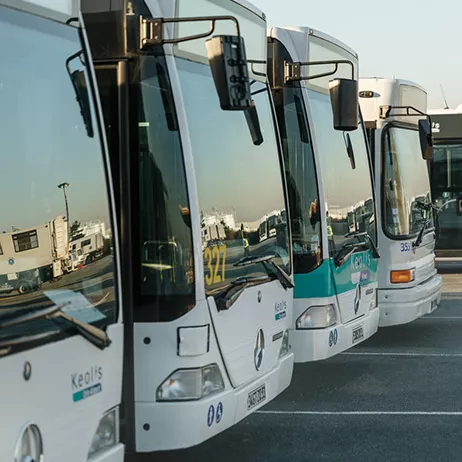
1999: Keolis appears
SNCF becomes the leading shareholder of Via-GTI10, which merges with Cariane in 2001 to create Keolis, our public transport operator. Keolis operates tram, bus and metro services in France and around the globe.
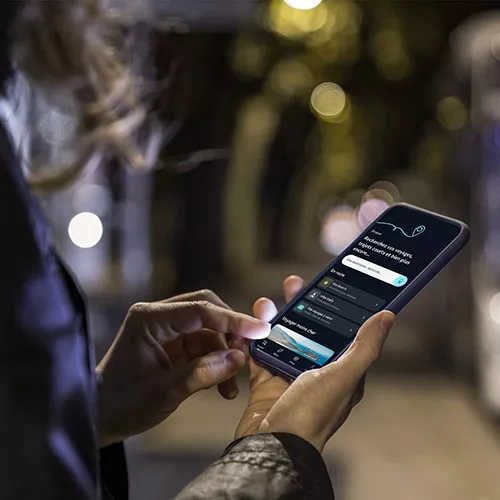
2001: Online ticketing site launched
In the early 2000s, SNCF transitions to digital technology and launches France’s first e-commerce platform: Voyages-sncf.com. This is subsequently renamed oui.sncf, then SNCF Connect.
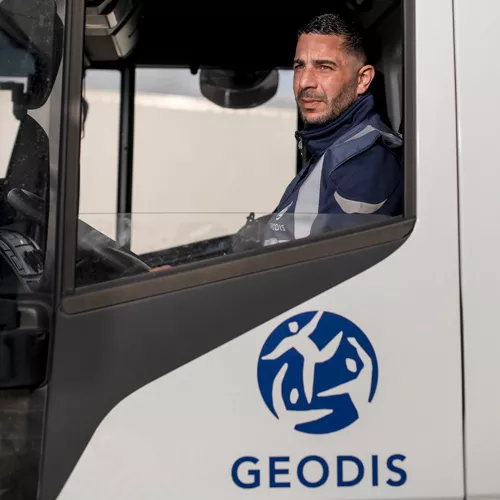
2008: SNCF acquires Geodis
SNCF—which already owns a 42.37% stake—launches its first takeover bid for all of Geodis, our freight and logistics company.
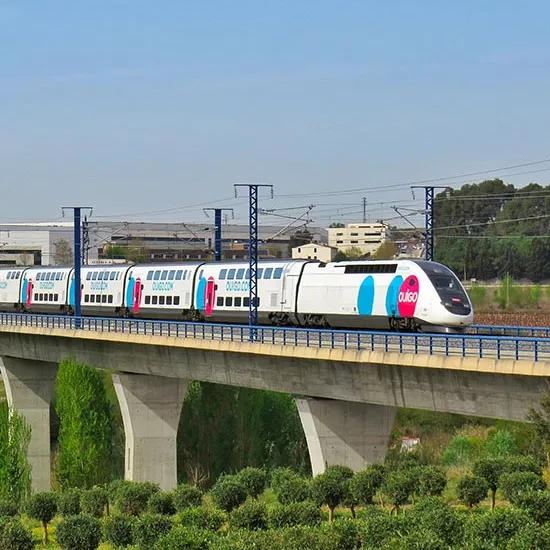
2013: Ouigo, our low-cost TGV service, starts operating.
Ouigo—the all-new budget TGV service—is an instant hit: now everyone can afford high-speed travel. A few years later, SNCF takes Ouigo abroad to Spain, with Ouigo España, our first high-speed company outside France, starting up in 2020.
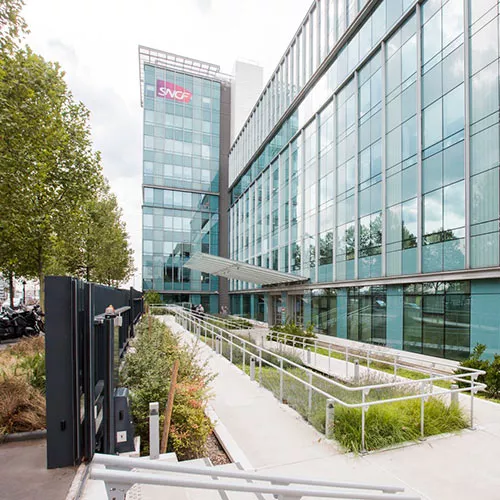
2020: SNCF reborn
On 1 January 2020, the French State’s rail reform goes into effect, and the old SNCF is reorganized into public limited companies. SNCF Group now consists of parent company SNCF SA and four subsidiaries: SNCF Réseau, SNCF Voyageurs, Rail Logistics Europe and SNCF Gares & Connexions. It also includes Keolis and Geodis.
Share the article