

The Orient Express: the art of travel
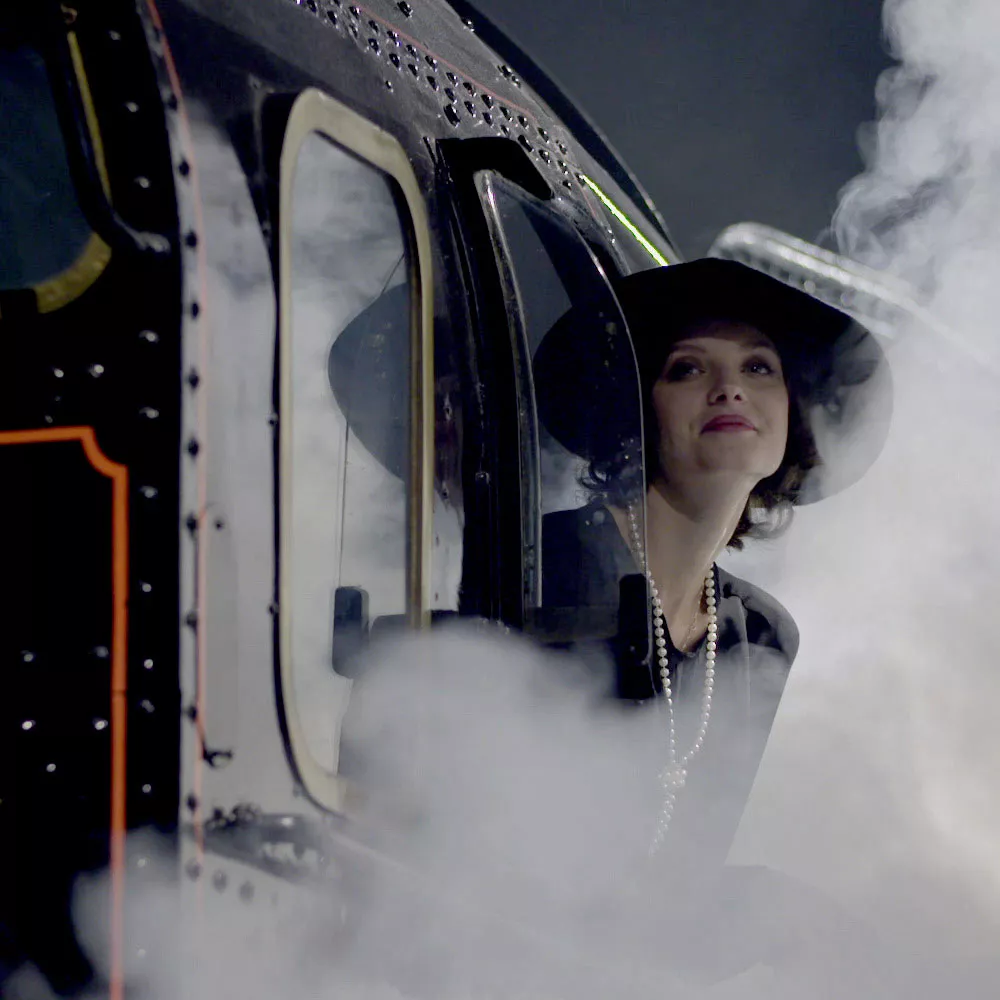
If ever a train made its mark on history, it was the Orient Express—a legend that began in 1883 at the Gare de l’Est in Paris. A timeless icon of the art of travel, it ranks among the crown jewels of France’s rail legacy.
4 October 1883: Maiden voyage
On the afternoon of 4 October 1883, a curious, elegantly dressed crowd pressed into the Gare de Strasbourg, now Paris-Est station. Political figures, journalists and writers had gathered to see the inauguration of a revolutionary new train composed of sleeping cars and dining cars—the Train Express d’Orient, renamed the Orient Express a few years later.

Terminus: Constantinople
For the first time, a train for Constantinople would travel night and day across Europe to Bucharest. Passengers took another train to Bulgaria, then boarded a ship that took them to the Black Sea and the Bosporus. When direct travel by train began in 1889, Constantinople became the majestic final destination for the Orient Express—a synonym for luxury and romance.
Origin story
During a trip to the United States in 1868, the young Belgian engineer Georges Nagelmackers travelled on Pullman trains and experienced their famous sleeping cars. But while some American trains were more technologically advanced than their European counterparts, they were still very uncomfortable.
The success of an all-new concept
Nagelmackers returned to Europe inspired by an idea: to create luxury trains for a wealthy clientele. With the Orient Express, he successfully combined long-distance travel with comfort and refinement. And the response to this new form of transport was so enthusiastic that imitators soon appeared. Other trains offering similar services went into operation: the Nord Express, the Sud Express, the Calais-Nice-Rome Express and more.
The art of travel
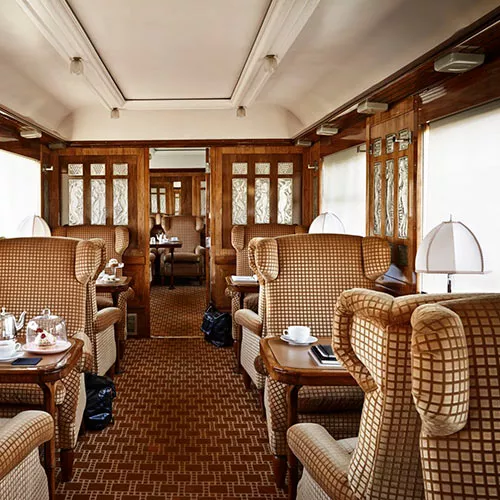
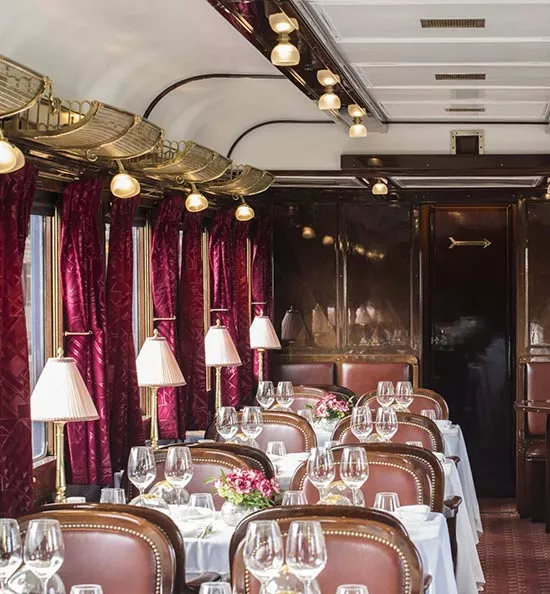
Known as “the King of Trains and the Train of Kings,” the Orient Express paired innovation with elegance. Its cabins featured the most modern amenities of their day—central heating, hot water and gas lighting. They included an upholstered interior, where passengers found impeccably outfitted beds and robes sporting the company crest. Only the finest materials were used: silk sheets, marble bath fixtures, crystal goblets and silver cutlery. During the day, twenty cabins were converted into lounges.
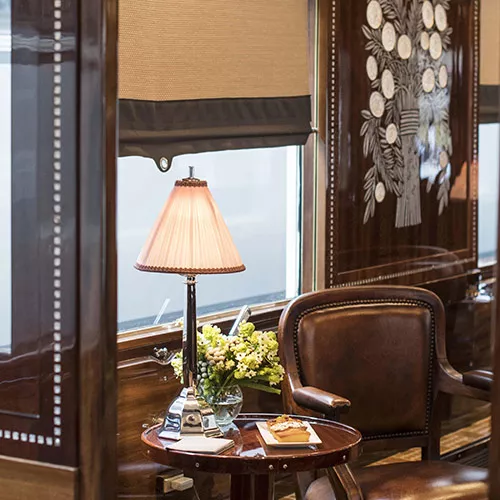
A showcase for Art Deco
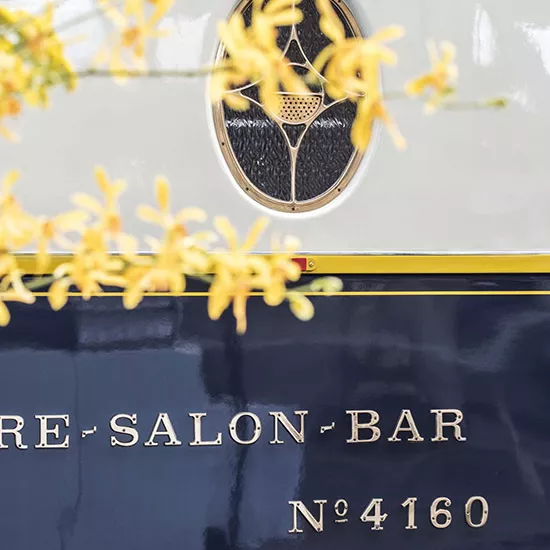
Around 1920, Compagnie Internationale des Wagons-Lits commissioned master glass designer René Lalique and interior design specialist René Prou to decorate select coaches. They installed glass panels and marquetry composed of precious woods, making the Orient Express a showcase for Art Deco style.
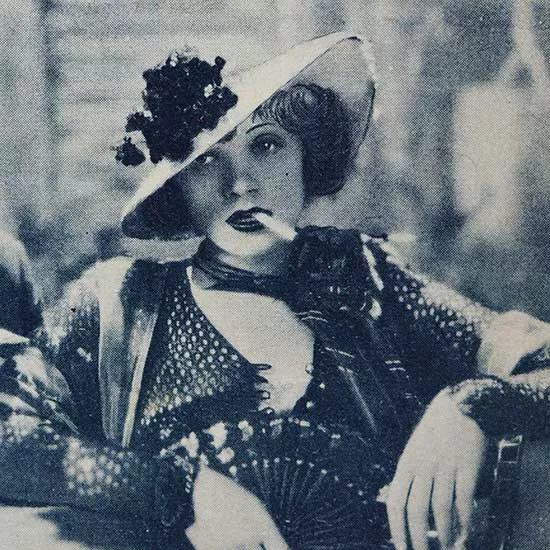
Star power
In its heyday, many celebrities travelled in the luxurious berths of the Orient Express, including King Ferdinand of Bulgaria, Russian novelist Leo Tolstoy, American actress Marlene Dietrich, and Russian ballet impresario Sergei Diaghilev. Other well-known passengers included adventurers such as Lawrence of Arabia and spies like the famous Mata-Hari.
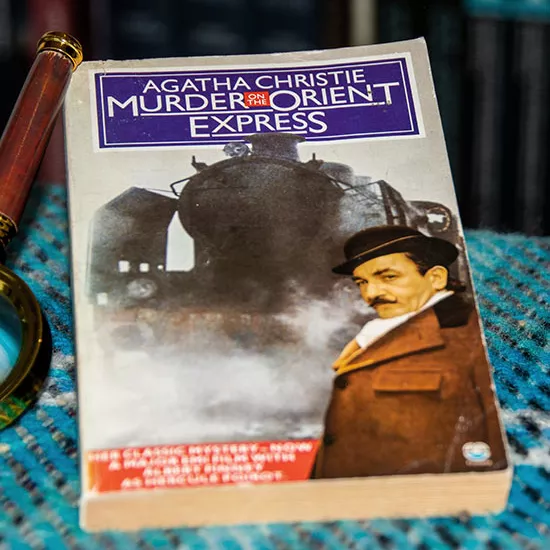
Embraced by literature and film
Literature and film also helped create the legend of the Orient Express, as its mystique inspired authors from Joseph Kessel and Ernest Hemingway to Agatha Christie. The British mystery writer met her husband on board, and her journeys inspired her to write three novels, including Murder on the Orient Express, which gave the fabled train a place in posterity.
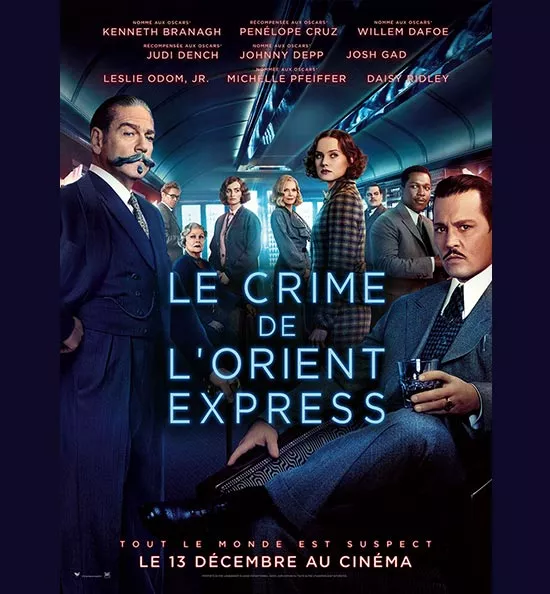
15 films, 15 tributes
When he filmed Christie’s well-known mystery in 1974, US director Sidney Lumet brought some of the world’s greatest actors aboard, including Lauren Bacall, Ingrid Bergman, Sean Connery and Anthony Perkins. A new version with an equally prestigious cast was released in 2017, with Kenneth Branagh directing and playing the lead role as the famous detective Hercule Poirot. To date some 15 films have been inspired by Agatha Christie’s classic whodunnit.
Living legacy
When Europe was divided into East and West after World War II, it was a major blow for the fabled train, which made its last return journey between Paris and Istanbul on 20 May 1977.
In 2017, SNCF and Accor created a joint subsidiary to relaunch the Orient-Express brand and subsequently, in 2022, the hotel group became its sole owner. Since 2023, Accor and LVMH have been developing luxury hotels and trains together.
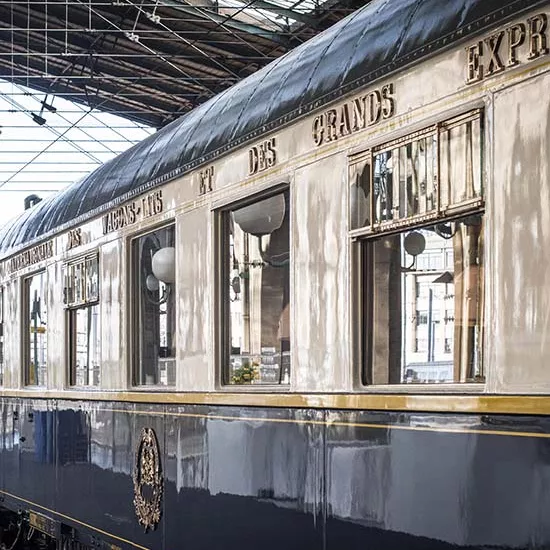
The Orient Express company also operates the original train owned by SNCF Voyageurs and made up of 7 coaches, 4 of which classified as historical monuments. Now entirely restored with the help of prestigious craftsmen, these roving ambassadors of French Art Deco style travel operate only on special occasions, for private events and charters.
To learn more about today’s new Orient Express brand, step this way:

4 October
1883
Maiden voyage of the Orient Express
20 cabins
transformed into lounge suites during the day

15 films
inspired by Agatha Christie’s classic murder mystery.
Share the article