

Reusing catenary steel in our buildings
In France’s Bouches-du-Rhône department, we’ve used recycled steel catenary poles to construct a storage building for SNCF Réseau. Reusing the poles avoided 20 tonnes of CO2 emissions.
Nothing is lost—everything is transformed
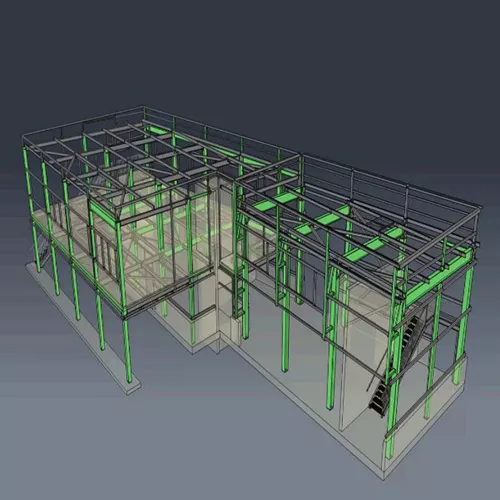
In Aubagne, in France’s Bouches-du-Rhône department, SNCF Immobilier partnered with construction company CMBC to build a storage facility for SNCF Réseau using repurposed steel catenary poles. This environmentally friendly innovation is the latest example of our commitment to the circular economy.

70%
of all waste generated in France in 2024 came from the construction sector

That represented
240m
tonnes of waste in 2024

1.5t
of CO2 are emitted for every tonne of steel produced
Verifying the materials
To ensure that the recovered steel was fit for purpose, our partner CMBC—a specialist in metal buildings—followed a strict protocol:
- Inspecting structural pieces for corrosion or buckling
- Testing their strength, resilience and composition in the lab
- Tracking each component so it could be certified as fit for reuse
- Checking dimensions and tolerances to ensure compatibility with the building design
Carbon footprint and steel costs
Producing one tonne of new steel generates around 1.5 tonnes of CO2 emissions. Because recovered steel must be tested to ensure that it is in good condition, reusing it currently costs more than buying new steel.
Using recovered steel in more projects like the one in Aubagne would create economies of scale and make this form of materials recycling more affordable.
Share the article