

Pursuing a more energy-efficient, decarbonized property portfolio
SNCF Immobilier’s energy transition strategy aims to reduce energy consumption in its real estate portfolio by 40% and cut greenhouse gas emissions by 50% between 2015 and 2030. We’re tackling the most energy-intensive sites first.
Our energy transition levers
Our Energy Transition programme aims to reduce SNCF Group buildings’ CO2 emissions by 6% in 2026.
We have identified 57 sites, which together account for 60% of our greenhouse gas emissions, and are implementing the following actions:
- Eliminating oil-fired boilers (53% had already been replaced by 2020)
- Replacing traditional lightbulbs with more energy-efficient LED systems
- Deploying building management systems (BMS)1
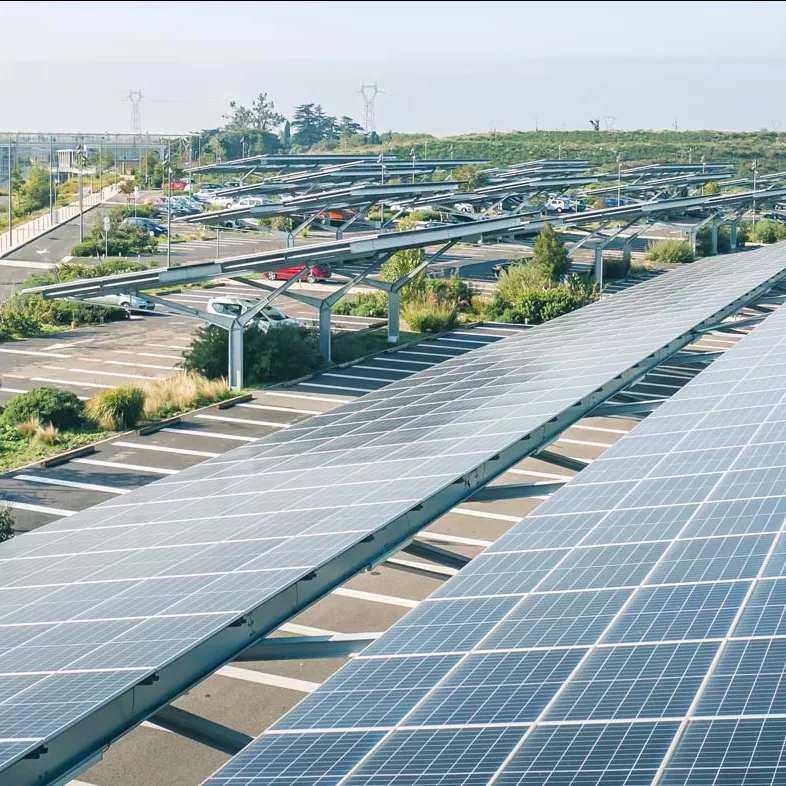
- Installing solar panels on rooftops or on carpark canopies to increase energy self-sufficiency and enable resale of any surplus
- Carrying out major energy-efficiency renovations, including wall and roof insulation

-6%
year-on-year reduction in CO2 emissions from our buildings in 2026

57
sites targeted for priority energy-efficiency efforts

These sites represent
60%
of our buildings’ greenhouse gas emissions
Real-world examples
- LED relamping at the Trappes maintenance facility (Yvelines, west of Paris)
- Energy management2 initiatives at our Rouen Quatre Mares maintenance technicentre (Seine-Maritime), led by the Hauts-de-France Normandie regional property division
- Retrofitting3 work at our Rimbaud campus (Seine Saint-Denis), led by SNCF’s National Energy Unit
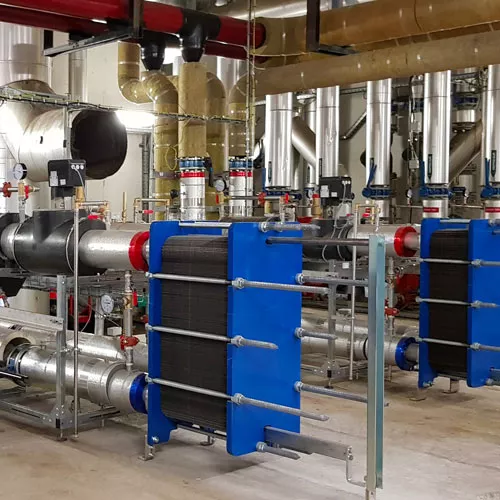
- Optimization of heating, ventilation and cooling systems at the Moulin Neuf industrial site (Oise), including the installation of 7 building management systems serving 11 buildings, led jointly by the National Energy Unit and the Hauts-de-France Normandie regional property division
- Nationwide, multiyear rollout of remote data collection systems
- Connection to the district heating network in Saint-Pierre-des-Corps (Indre-et-Loire)
- BACS4 studies and energy audits focused on solar panels for energy-intensive buildings